Children do not come to any serious harm from nosebleeds. Epidemiology of Epistaxis in Children.

Nosebleeds In Children How To Stop And Prevent
Obviously catching a baseball with your nose instead of your glove is going to lead to a bloody nose it also gives you a nose that looks a lot like mine.
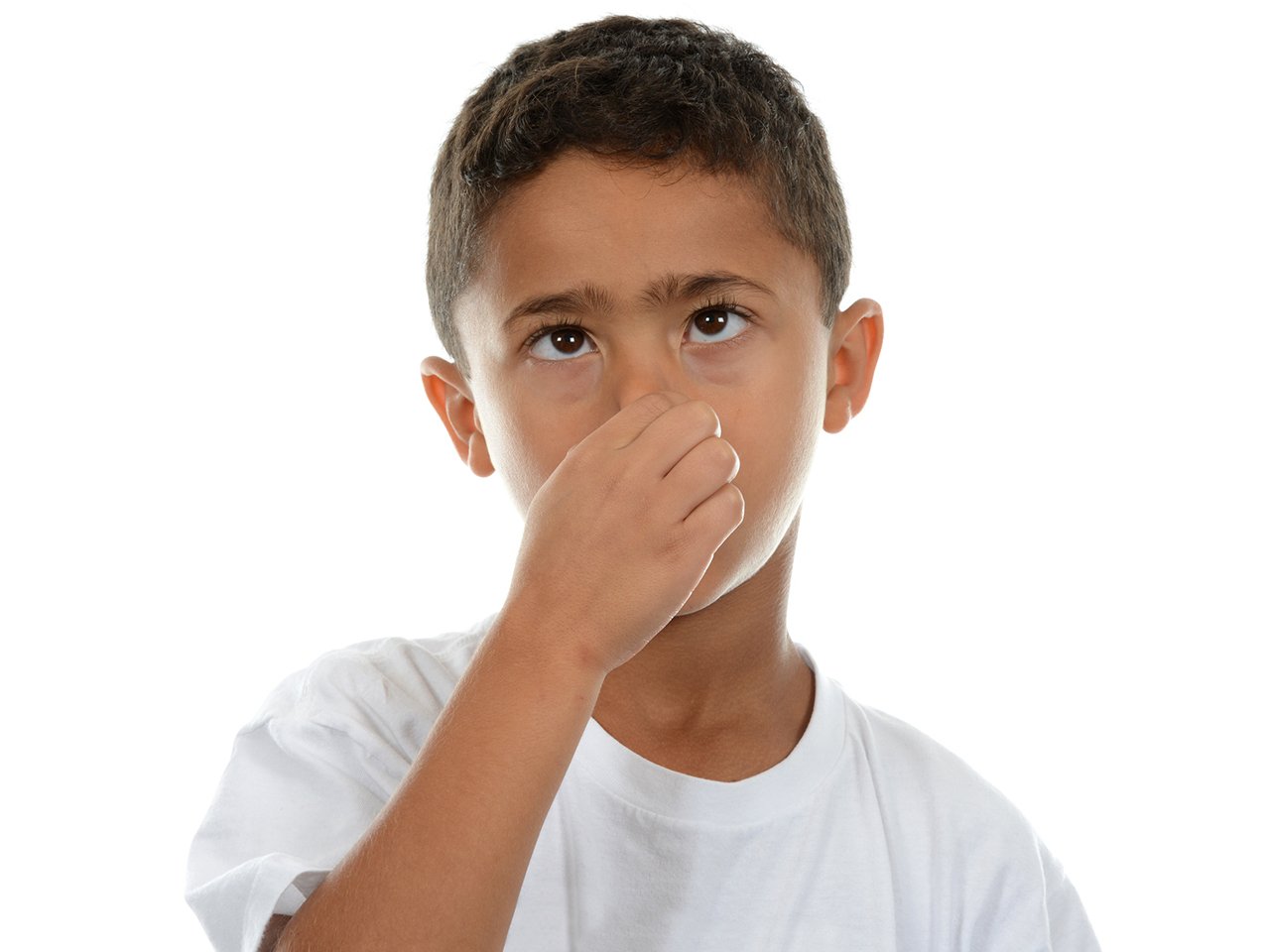
Children nose bleeds. During a nosebleed blood flows from one or both nostrils. They can be scary but usually arent serious. Most nosebleeds in children are due to dry air nose picking nasal allergies or other factors that irritate the delicate blood vessels in the front of the nose.
The inside of the nose is delicate and the small blood vessels are fragile and close to the surface. If your child picks his nose the risk for nosebleeds is further elevated. Most will stop on their own and can be cared for at home.
Nosebleeds in children are usually benign and are under-reported but few cases can be related to neoplastic disease. An anterior nosebleed is the most common with blood coming from the front of the nose. The medical word for nosebleed is epistaxis.
This means they can burst easily and start bleeding. Most nosebleeds in children occur in the front part of the nose close to the nostrils. The majority of times nosebleeds in children can be stopped by applying pressure to the lower soft part of the nose for 10 to 15 minutes.
Some children sleep through nosebleeds and swallow the blood then vomit or cough it up onto their bedsheets which can seem scary but nighttime nosebleeds normally are not a concern if they occur less frequently than once per month according to pediatrician Dr. The medical name for a nosebleed is epistaxis. Rarely the bleeding may be due.
Children have more blood vessels in the nasal plexus which makes nosebleeds more likely for them than for adults. The medical word for nosebleed is epistaxis. Most stop on their own and can be cared for at home.
And as kids from toddlers to teens go off to explore the world a few bonks to the nose are bound to happen. Mostly the nosebleeds in kids happen due to drying effect or irritation caused due to over drying of nasal membrane thus some of the tips for frequent nosebleeds in children In order to prevent the child from hurting himself herself while nose picking keep the nails trim and short. Epistaxis is a very common presentation in children with an estimated lifetime.
The possible treatment options depend on the severity of your childs nosebleed but may involve the following. What is a nosebleed in children. A nosebleed is bleeding from tissues inside the nose nasal mucus membranes caused by a broken blood vessel.
Nosebleed Epistaxis in Children What is a nosebleed in children. Epistaxis can be loosely defined as a nosebleedEpistaxis can be an anterior bleed or a posterior bleed based on the site of the origin of the bleed. A person should consult a doctor.
What are the treatment options for nosebleeds in children. These can be damaged easily. Its caused by the rupturing of tiny blood vessels inside the nose known as capillaries.
This part of the nose has many tiny blood vessels. A nosebleed is bleeding from tissues inside the nose nasal mucus membranes caused by a broken blood vessel. A child under 2 years old has a nosebleed you have regular nosebleeds you have symptoms of anaemia such as a faster heartbeat palpitations shortness of breath and pale skin youre taking a blood-thinning medicine such as warfarin.
If the child often gets nosebleeds or nosebleeds that are hard to stop have a doctor examine the child. Trauma of course is a frequent cause of nosebleeds in kids. A nosebleed is bleeding from tissues inside the nose nasal mucus membranes caused by a broken blood vessel.
It can be heavy or light and last from a few seconds to 15 minutes or more. They can be scary but nosebleeds are common in children and usually arent serious. Prevention of Nosebleeds in Children If your child experiences frequent nosebleeds then ask your doctor if you can use a nose drop mainly composed of saline water each day.
Nosebleeds are very common in children. Taking such preventive measures assure that the dry climate does not have an adverse effect on your child or when the furnace is active the same does not induce any health problems to your child. Most nosebleeds in children occur in the front part of the nose close to the nostrils.
Most nosebleeds in children occur in the front part of the nose. Nosebleeds can be frightening but they arent usually a sign of anything serious and can often be treated at home. A nosebleed also called epistaxis occurs when a small blood vessel in the lining of the nose bursts.
Nosebleeds happen more often in winter and when the air is dry. Nosebleeds are common in kids 3 to 10 years old and most are caused by nose-picking or dry air.