However the amount of carbs a person with diabetes need per day would depend on a number of factors - such as weight age physical activity level diabetes. They should be part of a healthy diet for all kids including kids with diabetes.

How To Count Carbs A Diabetes Friendly Guide Dlife
While some choose to stick with traditional carb counting there are others who do a more basic version of carb counting based on carbohydrate choices where one choice contains about 15 grams of carb.

How many carbohydrates for diabetics. Dietary guidelines from around the globe traditionally recommend that you get around 4560 of your daily calories from. He is the co-founder of Mastering Diabetes and Amla Green and is an internationally recognized nutrition and fitness coach who has been living with type 1 diabetes. A place to start is at about 45-75 grams of carbohydrate at a meal That would equate to around 135-225 g carbohydrates per day excluding snacks.
For example most people would count a small baked potato as 1 serving. This is because men tend to be bigger and can have normal blood sugar. While people with type 2 diabetes who dont take mealtime insulin may not need detailed carb counting to keep their blood sugars in line some prefer to do it.
For females they recommend 34 servings of. Both Warshaw and the study authors seem to indicate that this data lends credence to the ADA recommendations that between 45 and 60 of a diabetics diet should be carbohydrates. Carbohydrates like proteins and fats are one of the three main components of food that provide energy and other things the body needs.
Figuring out how many carbs to eat when you have diabetes can seem confusing. According to the Centers for Disease Control and Prevention CDC people with diabetes both type 1 and type 2 should aim to get about 45 per cent of their total calories each day from carbs. The Revolutionary Method to Reverse Insulin Resistance Permanently in Type 1 Type 15 Type 2 Prediabetes and Gestational Diabetes.
The Centers for Disease Control and Prevention recommends people with diabetes eat no more than 3-4 servings of carbohydrates per day. But carbohydrates carbs which are found in foods such as bread fruit and. Were here to help translate all the evidence into practical advice explain how carbs affect your diabetes and the role they play in your overall health.
Cyrus Khambatta PhD is a New York Times bestselling co-author of Mastering Diabetes. How many carbs should diabetics eat per day. How Many Carbs Should A Diabetic Eat.
Avoid sources of simple carbohydrates like refined sugar and white flour. Carbs are our main source of energy and provide nutrients for a healthy balanced diet. This isnt always the same as what you think of as a serving of food.
The daily carb intake for male diabetics recommended by the american diabetes association varies between 135 and 180 grams for your three basic meals along with up to 60 to 90 grams of extra carbohydrates at snack time. According to the CDC people living with diabetes should get about 45 of their total calories each day from carbohydrates. The dietary reference intake for healthy adult men and women is 130 g per day1 But this level for diabetics differs from one person to another.
Instead snack on low-carb veggies or fruits a slice of cheddar cheese 04 gram of carbs or 14 cup of shelled walnuts 34 grams of carbs according to the US. The average number of carbohydrates a diabetic requires is about 4565 of the daily calorie intake. In general it is recommended that a woman with diabetes should take in about 45 grams of carbohydrates in each meal while men can eat 60 grams of carbohydrates in each meal.
However at about 30 grams of carbs it counts as 2 carb servings. Some studies have shown that the ketogenic diet 20 to 50 grams of carbs per day is the best way to control diabetes symptoms but others have favored more. Even as little as a few months ago the American Diabetes Association were still stating that.
Complex carbohydrates are best for diabetics they come from vegetables whole grains low-fat dairy products and legumes. The carbs you eat and drink including potatoes rice and pasta are broken down into glucose blood. One way of doing this is to group them into those that contain mostly starch such as bread rice pasta potatoes yams plantain breakfast cereals and couscous and those that contain mostly sugars such as fruits fructose some dairy foods lactose sweets chocolate sugary drinks and desserts.
For diabetes meal planning 1 carb serving is about 15 grams of carbs. Your daily recommended carb intake could therefore vary between 135 grams a day if you dont snack up to 270 grams a day.
Too much insulin the wrong kind or dose of your diabetes pills too much exercise or too little food can cause your blood sugar to go too low. Low blood sugar also called hypoglycemia has many causes including missing a meal taking too much insulin taking other diabetes medicines exercising more than normal and drinking alcohol.

Blood Sugar Levels Ranges Low Normal High Chart
Our picks for Why low blood sugar is dangerous The link between diabetes and mental health conditions.
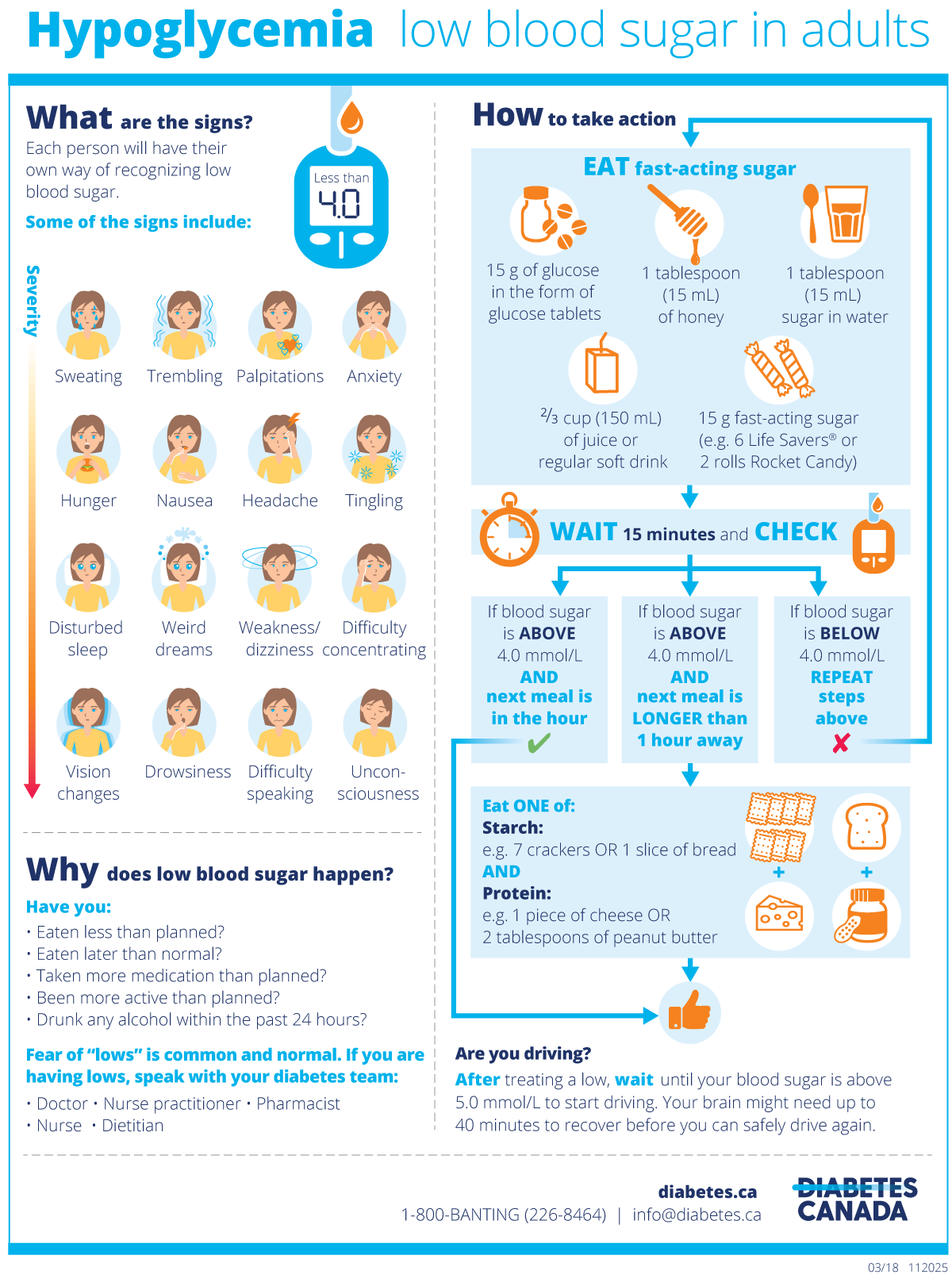
Diabetics and low blood sugar. It affects everyone the same way. Blood sugar below 70 mgdL is considered low. Expert Advice On Low Carb Diets and Diabetes High White Blood Cell Count Is Associated With A Worsening Of Insulin Sensitivity And Predicts The Development Of Type 2 Diabetes.
Diabetes is diagnosed on the basis of raised blood glucose. Up to 78 mmolL 140 mgdL 2 hours after eating. Chart Showing Normal Low and Elevated High Blood Sugar Levels Diabetes is defined as a disease in which the body has an impaired ability to either produce or respond to the hormone insulin.
Very low blood sugar can lead to convulsions and unconsciousness. People with type 1 diabetes have a pancreas that does not make insulin. If you think you have low blood sugar check it.
Low levels of potassium have been linked to high levels of blood sugar and up your risk of developing type 2 diabetes. Glucose is the main way your body gets energy. It can happen for several reasons including diet.
Blood sugar below 70 mgdL is considered low. Between 40 to 54 mmolL 72 to 99 mgdL when fasting. Hypoglycemia or low blood sugar is common among people with diabetes and can occur even when youre carefully managing the condition.
Low blood sugar is low blood sugar whether you are the President or the little unknown farmer in a 3rd world country. Anything that lowers your blood sugar can cause hypoglycemia. If you arent able to check it go ahead and treat it.
Your blood sugar which is measured in millimoles per litre or mmolL is usually maintained between 4 and 6 mmolL when youre fasting and up to 78 mmolL two hours after a meal. Low blood sugar can happen in people with diabetes who take medications that increase insulin levels in the body. The condition is most common in people with diabetes who have issues.
For people with diabetes blood sugar. Taking too much medication. Hypoglycemia is a condition caused by low blood glucose blood sugar levels.
Diabetes-related blood sugar levels When you have diabetes you may have high blood sugar levels hyperglycemia or low blood sugar levels hypoglycemia from time to time. Usually a blood sugar level of less than 70 mgdL is considered too low and needs to be treated. Hypoglycemia happens when the amount of blood glucose sugar in the blood drops to a level thats too low to sustain normal functioning says Erin Palinski-Wade RD CDE author of 2 Day Diabetes Diet.
For the majority of healthy individuals normal blood sugar levels are as follows. Despite significant advances in diabetes treatment hypoglycemia low blood sugar or glucose is still a common problem among patients who are trying to achieve better control of their blood sugar. Medical research has found that low blood sugar occurred more commonly in patients who adhered to a strict control of their blood sugar.
High white blood cell count is associated with a worsening of insulin sensitivity and predicts the development of type 2 diabetes. It is important to seek emergency help if the person with diabetes is unable to bring their sugar levels back to normal. While this is important closely managing your blood sugar levels also increases your chance for low blood sugar hypoglycemia.
Normal and diabetic blood sugar ranges. People with diabetes get hypoglycemia low blood sugar when their bodies dont have enough sugar to use as fuel. You will learn to recognize the symptoms and distinguish between high and low blood sugar levels.
Many people think of hypoglycemia as something that only. Low blood sugar does not distinguish between a diabetic and non-diabetic. By definition low blood sugar is blood glucose below 72 mgdl 40 mmoll.
The University of Birminghams Medical School states that if the body becomes used to being low on sugar hypo symptoms can become less noticeable. Hypoglycemia is a condition that occurs when the sugar levels in your blood are too low. Hence eating a diet rich in potassium is good for diabetics.
A cold the flu or other sudden illness can cause high blood sugar levels.